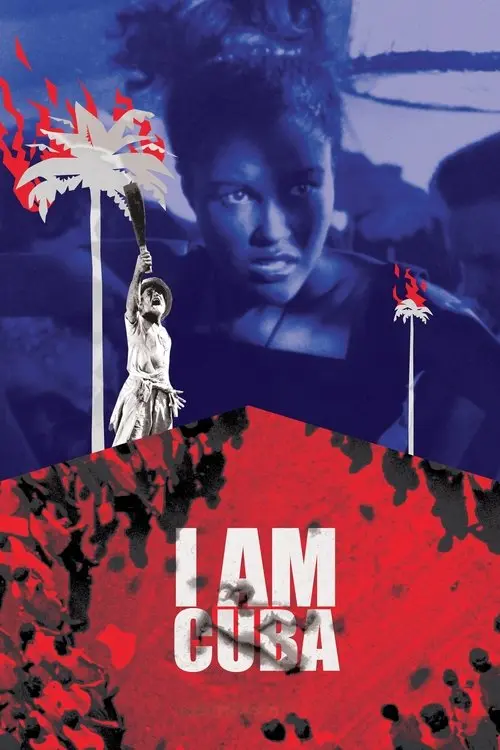
I Am Cuba
Synopsis
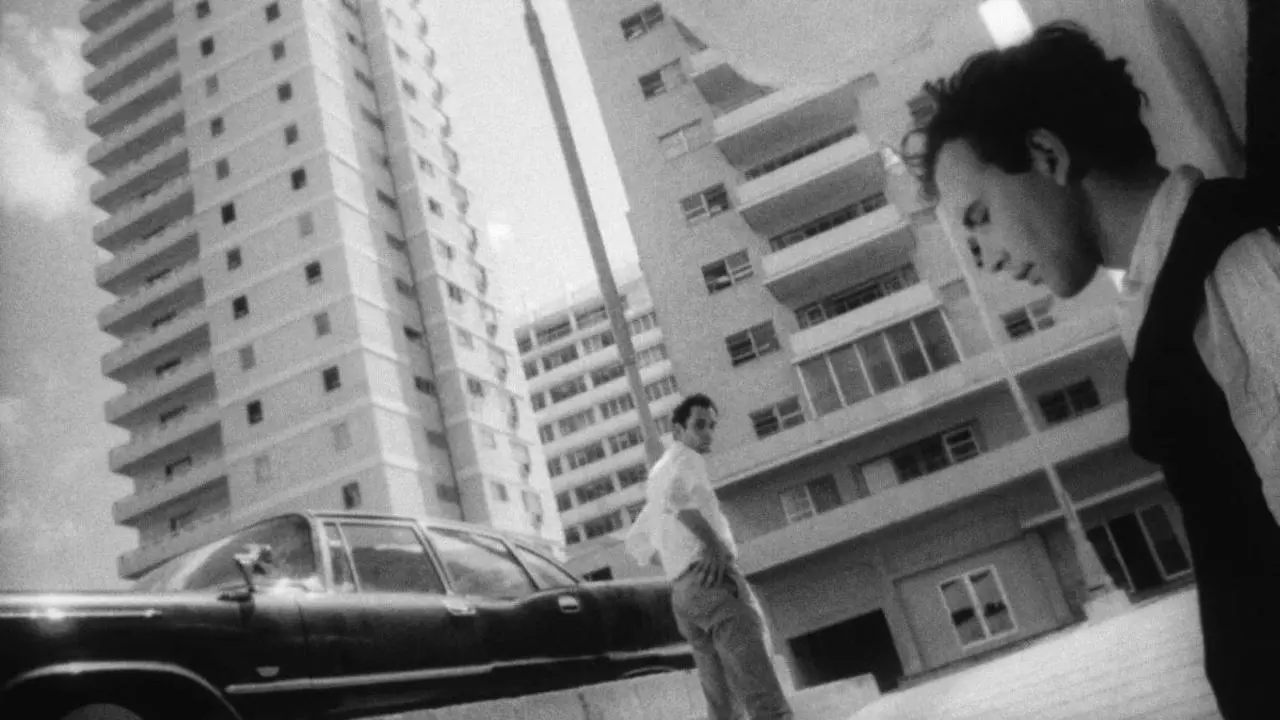
A study in contrasts set in and around Havana that explores Cuba's 1959 revolution: a young woman's fascination with the excess of an American-owned casino leads to her downfall in the eyes of her street vendor boyfriend; a tenant farmer revolts the only way he knows how, attacking the land he works; university students gain first-hand knowledge of political upheaval; and, in the hills outside the city, the members of a poor peasant family are patriotically swept up into the burgeoning revolt.
Main Cast
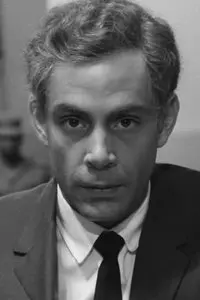
Sergio Corrieri
Alberto

Salvador Wood
Mariano
José Gallardo
Pedro
Raúl García
Enrique
Luz María Collazo
Maria / Betty
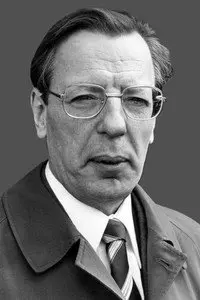
Jean Bouise
Jim
Alberto Morgan
Ángel
Fausto Mirabal
Roberto García York
American Activist
María de las Mercedes Díez
Trailer
User Reviews
CinemaSerf
If you are ever going to watch a film that shows just how the seeds of revolution can germinate, then this is probably it. Using four separate scenarios, we follow the iniquities of a society that is crying out for change - but just not neccessarily coherently. It's that lack of cohesion that has hitherto allowed the Batista government to cling to power, but might we be about to see the joining up of those oppressed in both the countryside and the city? We start with "Pedro" (José Gallardo), a subsistence farmer walking through his fields praying for his sugar canes to grow tall and true so he can provide for his family. Nature duly obliges only for his landlord to sell the farm from under him, leaving him homeless and distraught. Next, we move to the city and the problems are barely less urgent as we witness the brutality of the regime at first hand. Perhaps handing out leaflets supporting the allegedly deceased Fidel Castro isnt the best idea? Back out in the countryside, the government is aware of the bubbling sentiment against it so resorts to indiscriminate bombings and then finally we find that even the most pacifist of people in this deeply Catholic nation are turning into guerillas - of one form or another. It's Soviet produced and there is occasionally a slight communist propagandist element written into a script that is distinctly anti-Western, but those elements are more subtly tangential to a series of very human stories that touch on the importance of basic freedoms, dignities and aspirations, and of the impact on society when they are denied. This is an island where the wealth sits in all too few hands, often foreign, and where the local population are disenfranchised as much by enough of their fellow citizens with their snouts in the trough as they are by those determined to retain power. The photography from the agrarian settings captures uncomfortably the levels of despair faced by the working families eking out a living from their toil; that in Havana illustrates effectively the counter-balance of many living in comparative luxury - all while the pistole and the water cannon are used to suppress any challenges to the establishment. It's political, this, but not in as partisan fashion as you might expect. You don't need to be red or blue to appreciate the profound unfairness of a system that so obviously exploits the vulnerable by denying them education, hope, opportunity or by keeping folk in a lifestyle that borders on the indentured. Some of the dialogue epitomises pathetic in the literal sense of the word and this is a moving and ultimately quite empowering film to observe.